Dynamic Wager Shifts During Sessions: Reel Volatility Influences on Resource Distribution in Multi-Game Play
Henrik Vogel · Nov 22, 2026
Dynamic Wager Shifts During Sessions: Reel Volatility Influences on Resource Distribution in Multi-Game Play
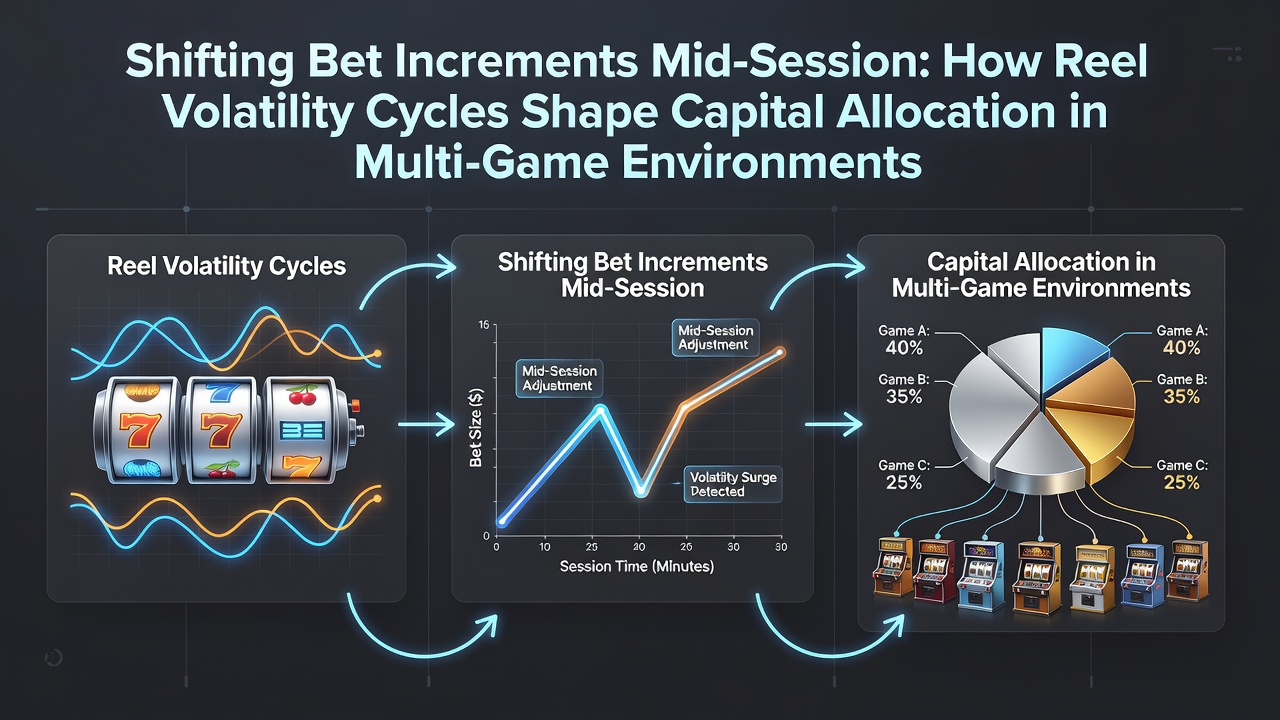
Slot machine volatility cycles refer to patterns in payout frequency and size that emerge during extended play, and operators track these through internal metrics that guide how capital gets spread across different titles in a single session. Data from industry reports shows that players often encounter sequences where low-volatility reels deliver steady small returns while high-volatility ones produce infrequent but larger outcomes, and these patterns directly affect decisions on when to raise or lower individual bets without leaving the current game environment.
Understanding Reel Volatility Patterns in Practice
Reels in modern video slots operate on programmed return-to-player percentages combined with random number generators, yet observable cycles appear when session data gets logged over thousands of spins according to analyses from the Canadian Centre for Gaming Research. Low-volatility phases tend to cluster around base game symbols that hit more regularly, while high-volatility stretches align with bonus feature triggers that remain dormant for longer intervals. Observers note that these shifts become measurable when software logs record hit frequencies dropping below 25 percent for extended periods, prompting adjustments in stake sizes to preserve overall session funds across a library of games.
Capital allocation in multi-game settings involves distributing a fixed bankroll among several slots simultaneously or sequentially, and volatility cycles influence how much gets assigned to each title at any given moment. Research indicates that sessions spanning four or more games see participants reducing increments on high-volatility options during dry spells while maintaining or slightly increasing bets on lower-volatility alternatives that continue to produce regular line hits. This approach stems from statistical modeling rather than guesswork, since aggregate data across operator platforms reveals consistent correlations between reel behavior phases and adjusted wager levels.
Mechanics of Mid-Session Bet Adjustments
Bet increment changes occur when software interfaces allow real-time stake modifications without interrupting play, and November 2026 platform updates expanded these options across multiple European and North American operators to include granular controls down to single credit steps. Players monitor on-screen indicators such as recent spin outcomes or bonus meter progress, then respond by scaling bets up during apparent low-volatility stretches or down when high-volatility patterns emerge. Studies from university-affiliated gaming labs demonstrate that such adjustments can extend average session duration by 15 to 20 percent when applied consistently, because the method matches stake size to the current payout rhythm rather than maintaining a static amount throughout.
Multi-game environments add complexity because capital must cover simultaneous or rapid switches between titles with differing volatility profiles. One documented case involved session tracking software that flagged a transition from medium to high volatility on a primary game, leading participants to reallocate 30 percent of remaining funds toward secondary titles with steadier base-game returns. Figures from the Australian Gambling Research Centre reveal similar patterns in regulated markets where real-time analytics help identify these cycles before they fully develop, allowing preemptive stake reductions that limit exposure during prolonged non-paying sequences.
Data Patterns Across Operator Platforms
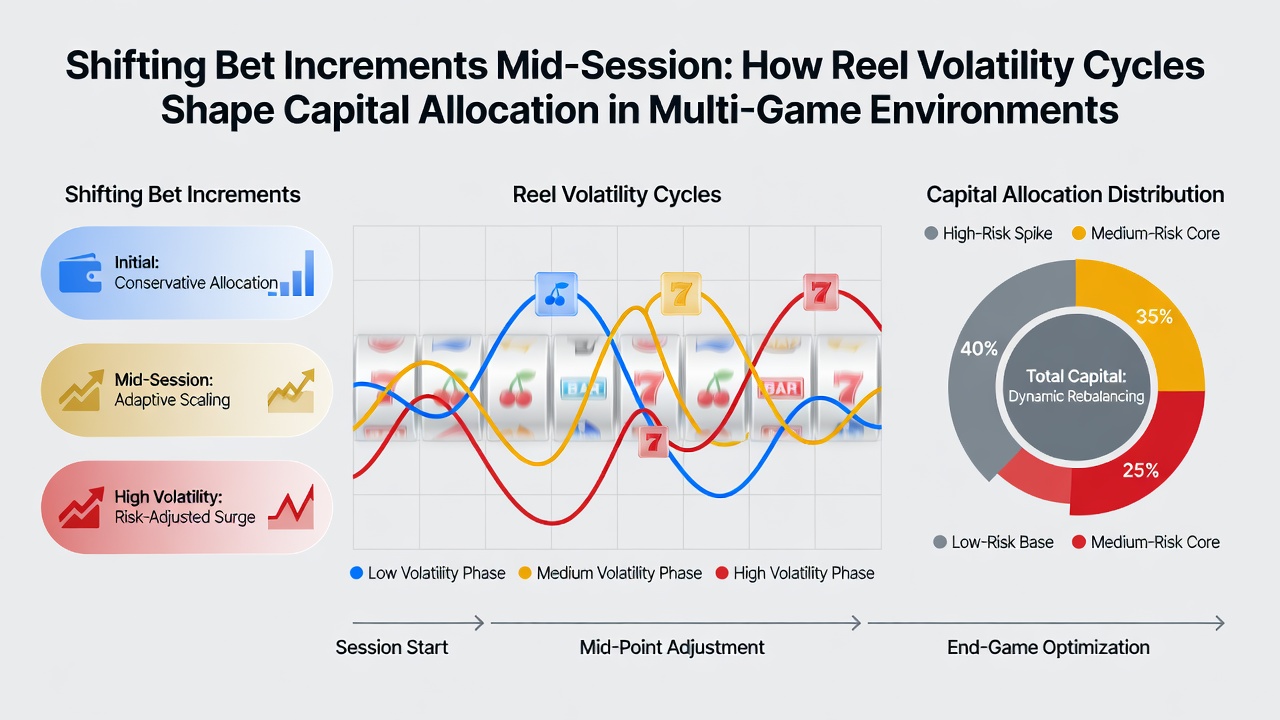
Platform analytics collected in late 2026 show that sessions exceeding 500 spins frequently exhibit at least two distinct volatility cycles per title, and operators provide tools that highlight these transitions through heat-map style displays. Those who study session logs find that incremental bet increases of 20 to 50 percent during confirmed low-volatility periods correlate with higher total returns when followed by corresponding decreases once high-volatility indicators appear. The approach requires continuous observation of metrics such as consecutive non-winning spins and average payout size, both of which shift measurably between cycle phases.
Allocation strategies also account for game-type diversity within a single account, where progressive jackpot titles often display higher volatility than standard video slots. Evidence from aggregated transaction records suggests that participants who shift smaller increments toward jackpot games during their apparent low-volatility windows while holding larger stakes on fixed-payout titles achieve more balanced fund distribution overall. This method avoids concentrating too much capital in any single cycle phase and maintains flexibility for switching titles mid-session when patterns change.
Implementation Across Different Markets
Regulatory frameworks in regions outside the UK set varying parameters for stake adjustment features, yet the underlying volatility tracking remains consistent because game mathematics follow universal probability principles. Nevada Gaming Control Board reports from 2026 note increased adoption of session-monitoring apps that flag cycle shifts in real time, enabling users to apply incremental changes without leaving the multi-game interface. Similar systems appear in Canadian provincial sites, where data dashboards display volatility estimates derived from recent spin history, guiding allocation decisions across dozens of available titles.
Training modules developed by gaming associations emphasize starting with conservative increments and scaling only after multiple cycles have been observed, since early-session data can mislead when variance remains high. Those who apply the technique report that combining it with fixed session time limits prevents overexposure, because volatility cycles eventually revert regardless of prior adjustments. Platform logs confirm that sessions incorporating these mid-session shifts show lower rates of rapid bankroll depletion compared with static betting approaches.
Conclusion
Reel volatility cycles shape capital allocation by providing measurable signals for when and how much to adjust individual bets within multi-game sessions. Data from multiple regulatory and research sources demonstrates consistent patterns that support incremental changes based on observed payout rhythms rather than fixed strategies. As platforms continue to refine real-time analytics tools through 2026 and beyond, the capacity to respond to these cycles becomes a documented feature of session management across diverse gaming environments.