Synchronizing Slot Cycle Patterns Across Multi-Vendor Networks in European Gaming Halls
Zoe Schmid · Oct 25, 2026
Synchronizing Slot Cycle Patterns Across Multi-Vendor Networks in European Gaming Halls
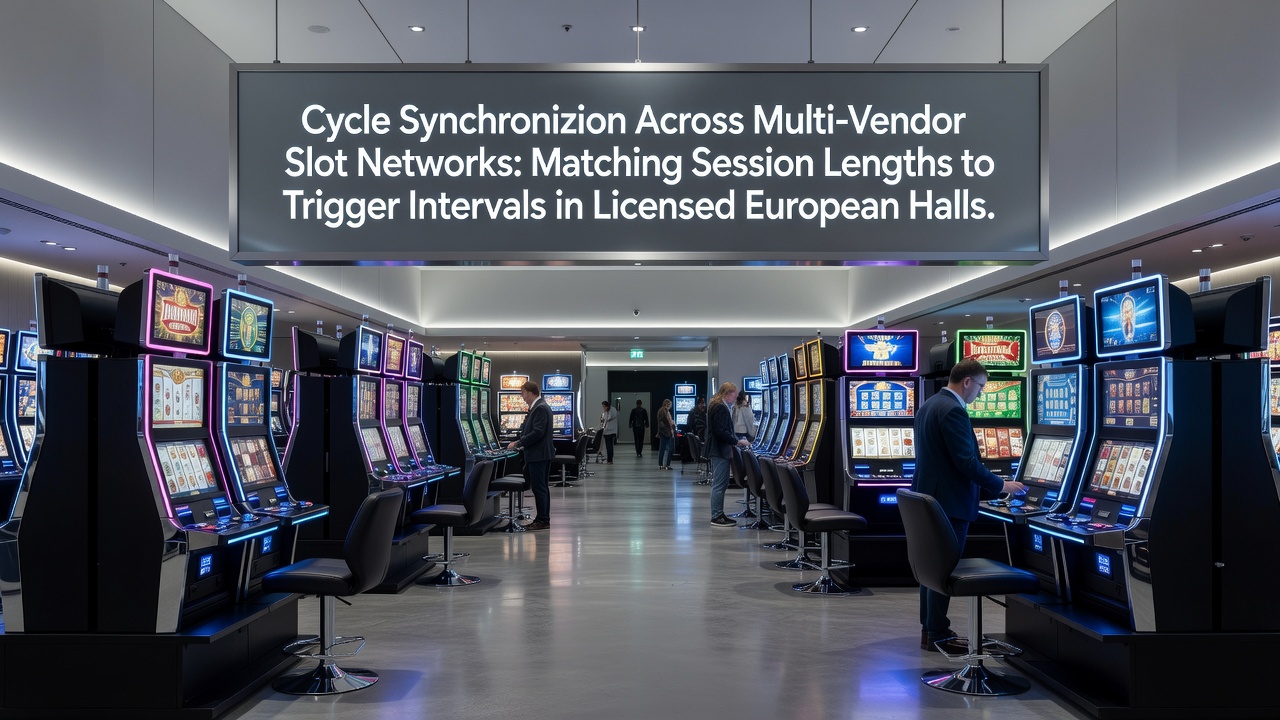
European gaming halls licensed under national frameworks now operate slot networks that combine equipment from several manufacturers, and operators have begun aligning session durations with the intervals at which bonus features activate. Data from industry monitoring shows that mismatched cycle lengths can produce uneven payout distributions, prompting technical teams to recalibrate reel mapping and random number generator seeds so that trigger events occur within predictable windows. In October 2026 several facilities across the Netherlands and Belgium completed pilot programs that tested unified timing protocols on mixed-vendor floors, and early results indicated reduced variance in average session length.
Core Mechanics of Slot Cycle Timing
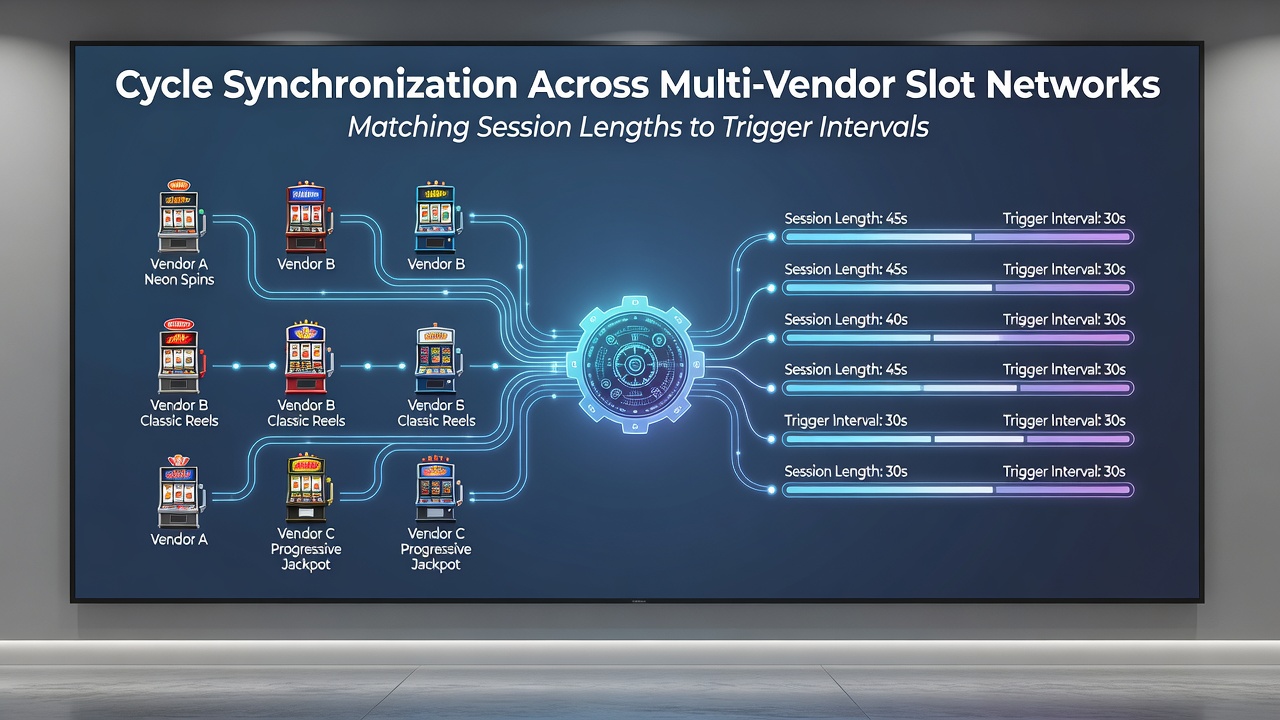
Each slot title carries an internal cycle defined by the number of spins required before the random number generator returns to a statistically similar state, and manufacturers publish these figures in technical documentation supplied to regulators. When halls install cabinets from different suppliers the cycles rarely align by default, which means a player moving between machines may encounter bonus rounds at irregular intervals. Technicians therefore adjust the length of individual play sessions by modifying denomination settings and reel weighting parameters while remaining inside the certified return-to-player range. Studies conducted by the European Gaming and Betting Association have documented that halls achieving cycle parity report steadier daily coin-in totals because players experience more consistent reward spacing.
Regulatory and Technical Standards in Licensed Venues
National licensing bodies require every cabinet to meet pre-approved mathematical models before installation, yet they also permit operators to configure session parameters within those models. In practice this means a German-made machine and a Spanish-made machine can share the same floor provided their certified cycles are mapped onto a common timeline. Observers note that software interfaces supplied by third-party integrators now allow floor managers to set global trigger windows, and the same interfaces log compliance data for audit purposes. A report issued by the Nevada Gaming Control Board in 2025 examined similar multi-vendor environments in North American jurisdictions and found that synchronized intervals correlated with lower dispute rates between players and staff.
Implementation Steps Observed in Operating Halls
Facilities begin by auditing every cabinet’s published cycle length and bonus trigger frequency, then compile the figures into a master schedule. Engineers next select a target session duration that accommodates the longest cycle present, after which they fine-tune shorter-cycle machines by altering hit frequencies on lower-paying symbols. The process requires repeated test spins under regulatory witness, and any deviation outside tolerance forces a reset to factory parameters. Several halls have adopted automated monitoring tools that flag when actual trigger intervals drift beyond preset margins, allowing immediate recalibration without halting play across the entire network.
Impact on Player Behavior and Venue Metrics
Records kept by venue management systems show that players tend to remain at terminals longer when bonus events arrive at regular intervals, and this pattern holds across demographic groups. Halls that completed synchronization projects recorded measurable increases in average time on device without any change to the underlying return-to-player percentages. The same data sets also reveal fewer instances of players abandoning machines immediately after a non-triggering sequence, because the next expected event remains within a known timeframe. Industry analysts tracking European markets have linked these behavioral shifts to modest gains in daily gross gaming revenue per terminal during the months following implementation.
Challenges Encountered During Rollout
Compatibility between legacy cabinets and newer network management platforms sometimes requires firmware updates that must pass additional certification rounds. Differences in communication protocols between vendors can delay the transmission of real-time cycle data, forcing operators to install middleware converters. Staff training programs have therefore expanded to cover both the technical configuration steps and the regulatory reporting obligations that accompany any parameter change. Facilities that addressed these issues early reported smoother transitions and fewer service interruptions during the adjustment period.
Conclusion
European halls continue to refine cycle synchronization methods as multi-vendor environments become standard. The combination of regulatory oversight, technical tooling, and operational data collection has produced measurable consistency in session timing across mixed equipment. Continued monitoring through 2026 and beyond will determine whether these adjustments deliver sustained benefits in player retention and revenue stability while preserving full compliance with national licensing conditions.